b alive

Better food for a brighter future


our manifest

Food r-evolution has started. There is no more time to waste. By refraining from eat animal-products we reduce our individual footprint and stop funding companies that contribute to climate change.


Data compiled by Valentina Costa.

Water use in animal protein production.


The production of animal protein requires significantly more water than the production of plant protein (Pimentel et al. 2004). Although US livestock directly uses only 2% of the total water used in agriculture (Solley et al. 1998), the indirect water inputs for livestock production are substantial because of the water required for forage and grain crops. Each year, a total of 253 million t grain are fed to US livestock, requiring a total of about 25 × 1013 L water (Pimentel et al. 2004). Worldwide grain production specifically for livestock requires nearly three times the amount of grain that is fed to US livestock and three times the amount of water used in the United States to produce grain feed (Pimentel et al. 2004).

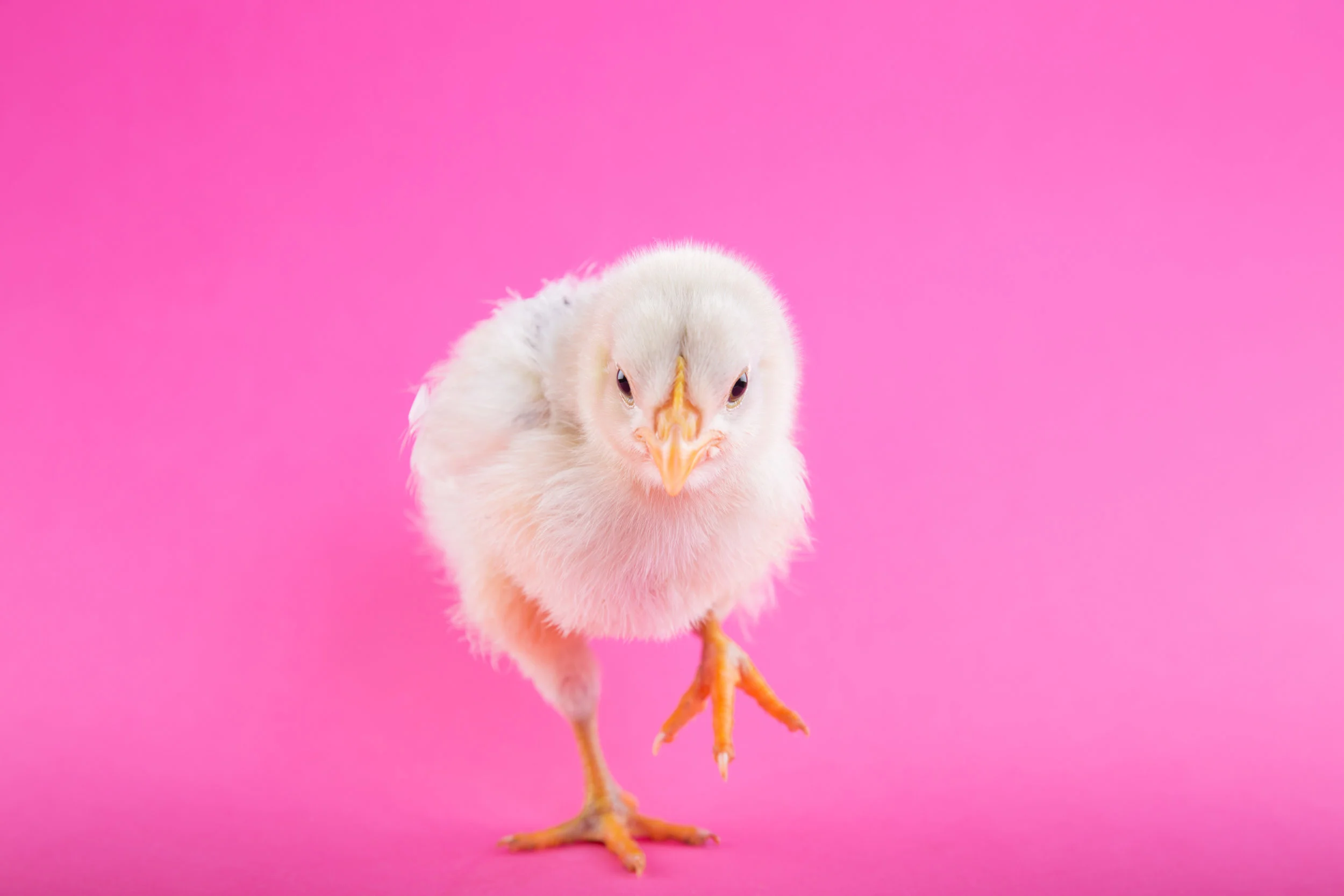
Animal products vary in the amounts of water required for their production. For example, producing 1 kg chicken requires 3500 L water, whereas producing 1 kg sheep (fed on 21 kg grain and 30 kg forage) requires approximately 51,000 L water (USDA 2003, Pimentel et al. 2004).

Agricultural production in the United States is projected to expand to meet the increased food needs of the US population, which is expected to double in the next 70 years (USBC 2003). Developing countries are expected to feel the impacts of this food crisis to a greater extent as demands approach those of developed countries and populations continue to rise (Rosegrant et al. 2002). Increasing crop yields necessitate a parallel increase in the use of fresh water in agriculture. Therefore, increased crop and livestock production during the next 5 to 7 decades will significantly increase the demand on all water resources, especially in the western, southern, and central United States (USDA 2003) and in many regions of the world with low rainfall.

Summary of Estimated Water Use in the United States in 2005". United States Geological Service

Pimentel, David, et al. "Water Resources: Agricultural and Environmental Issues". BioScience. (2004) 54 (10): 909-918


253

Million tons of grain per year

2%

direct use of water


3,500

Water Liters to produce 1 chicken

70

us food needs will double in 70 years


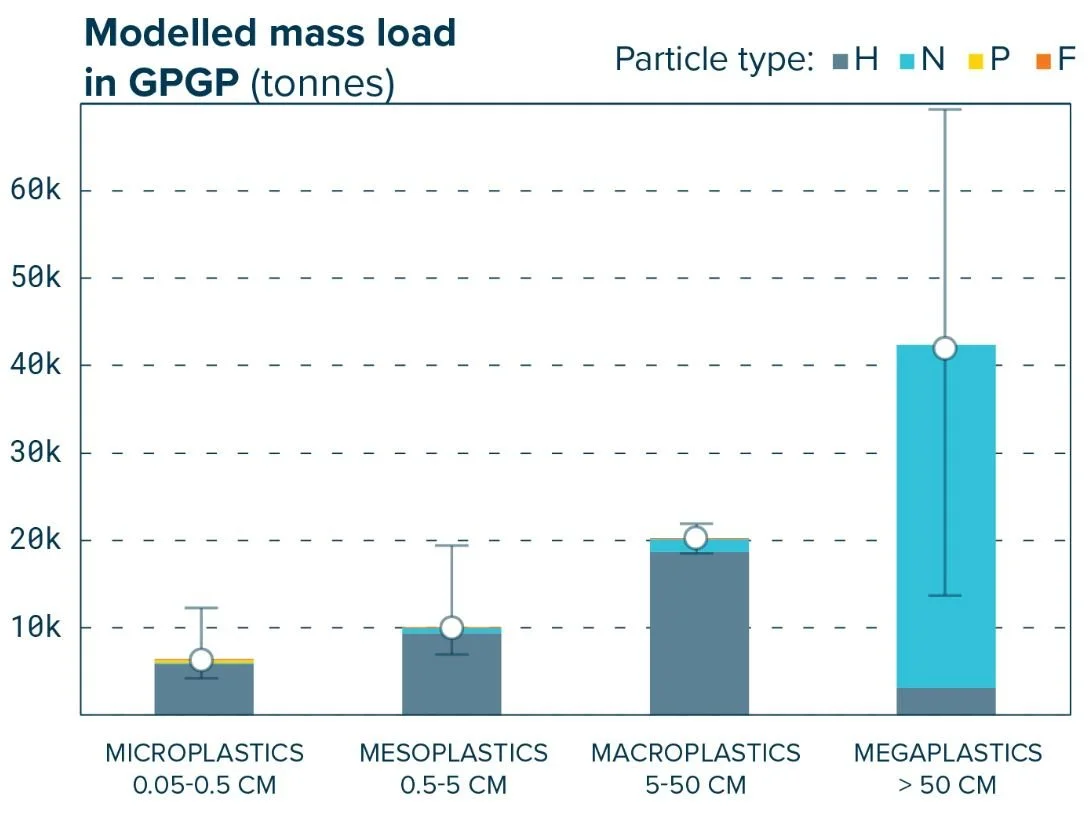
HOW MUCH PLASTIC FLOATS IN THE GREAT PACIFIC GARBAGE PATCH? 


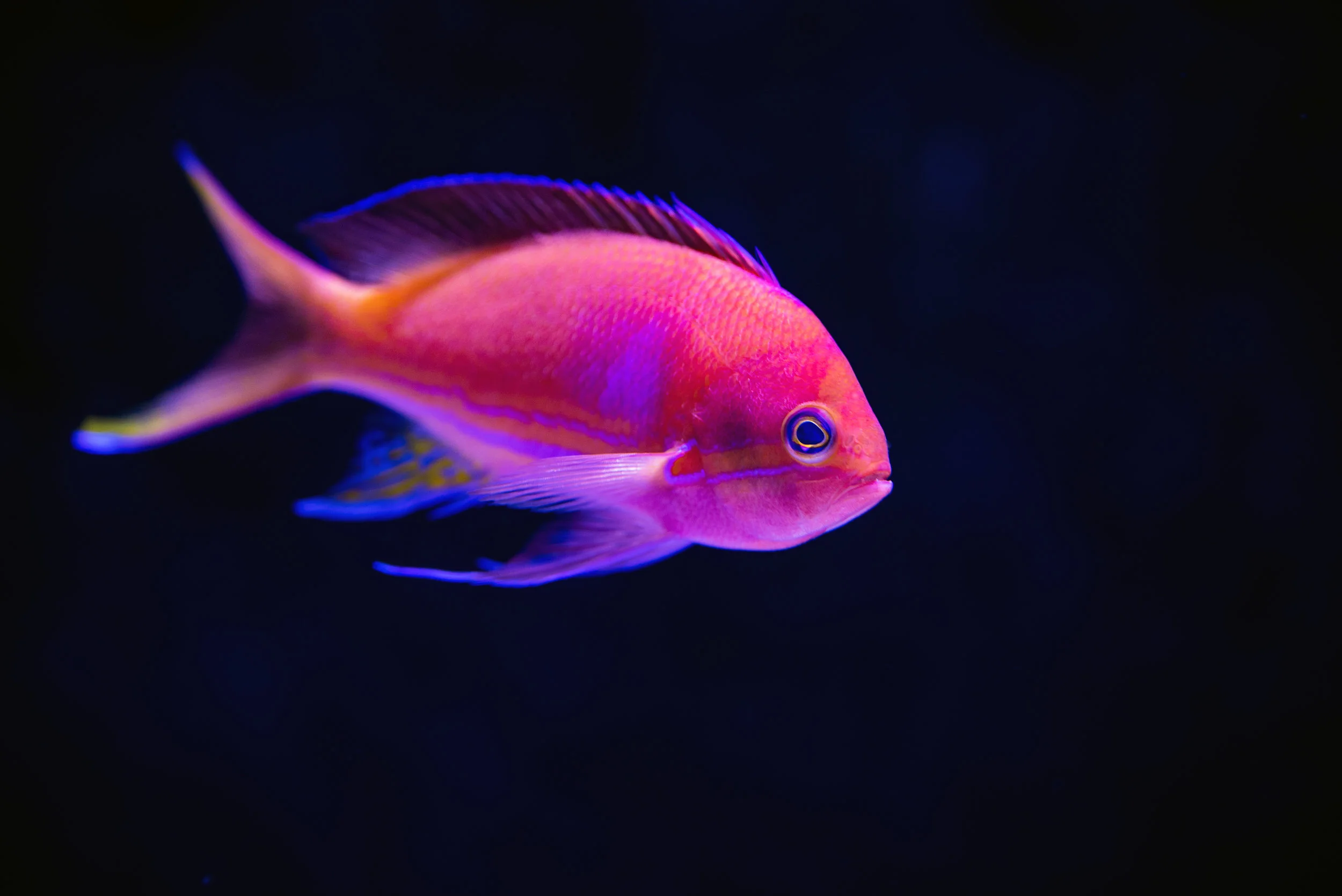
Plastic Debris can be found throughout the ocean. The world produces over 280 million tonnes of plastic each year. Of this, it is estimated that 3% make their way into our ocean. Based on 2010 estimates this is approximately 8 million tonnes. This plastic has been found in the most remote areas on the planet, including at the bottom of the Mariana trench, uninhabited islands, and in the Arctic. It has also found its way into the marine ecosystem, with ¼ of fish being estimated to have plastics in their stomachs.

80% of this plastic comes from land-based sources, mainly stemming from rivers. The other 20% comes from marine-based sources like shipping, fishing and tourism. These sources can be further split into domestic and industrial sources. Hotspots refer to the core areas which contribute to leaking plastic into the ocean, including particular plastic polymers, industries, regions and waste management stages.

Land-based sources of plastic pollution primarily stem from poor waste management. 300 million tonnes of plastic are produced each year. Mismanaged waste can be either littered, or disposed of inadequately. Particular elements within the waste management system have a larger impact on plastic leakage. This includes how the waste is generated, segregated, and collected, and the infrastructure that manages this waste.

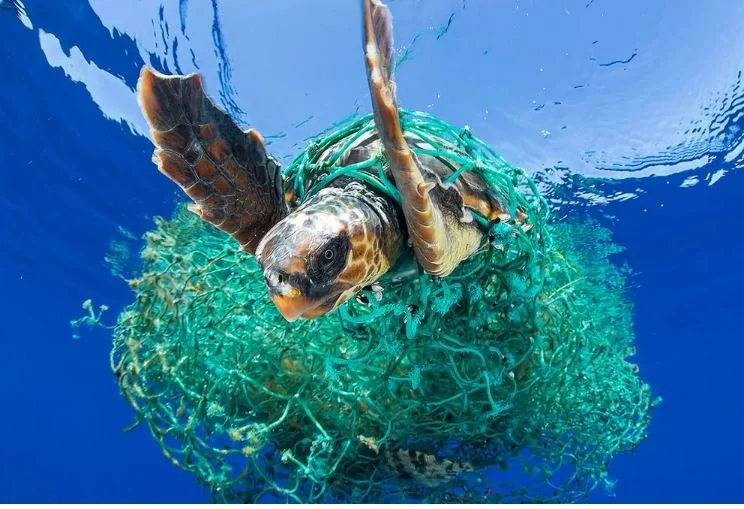
Marine-based sources contribute to 20% of the plastic pollution entering the ocean. This includes pollution from normal operations of shipping or fishing, accidental pollution, or deliberate pollution. Fishing nets and other fishing gear are a key source of marine-based plastic.

Learn More @ Marine Bio


Small choices and the big new future. 


The planet safety is in your hands.

Every small choice we make builds a new future. Even one meal choice can make the environment better. The impact of consuming various types of meat on the environment is insane. Tons of greenhouse gasses are released by the consumption of meat, nitrous, oxide, Co2, and others.

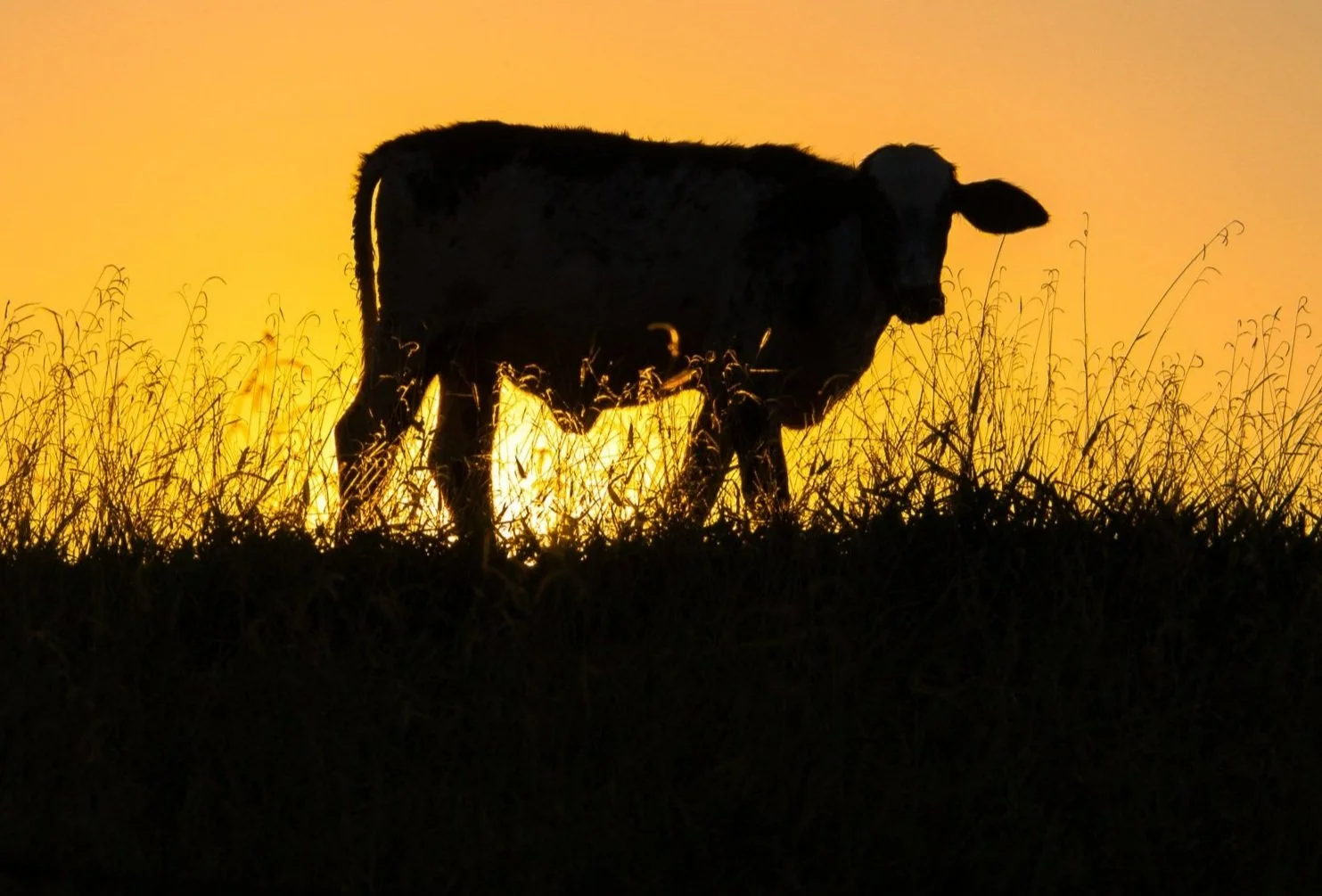
The planet we live in is made of millions of animals, one where humans should appreciate much more than we do. Meat consumption not only kill diverse species but also creates a loss of biodiversity. Because of the great amount of land that is repurposed for the growth of livestock, animals end up having their habitats taken away from them. Not only do animals suffer from their habitats being destroyed, but they are obliged to face major consequences such as pollution and climate change.

Our intent with B Alive is to bring awareness to new generations. To unite young people in a way that we can actually fight for the environment. Expecting that we can help restore the chance of having a brighter future for the planet and for us.

Marina Costa

B Alive´s Founder


The change is You.

 
solid-52c2c8-2500x1667.jpg